That slight pinkness along your dog’s gumline can be easy to dismiss, especially when they are still eating, playing and greeting you at the door. But dog gingivitis is not something to simply watch and hope disappears. It is often the first visible warning that plaque and bacteria are irritating the gums, and it can be the start of a much more painful dental problem.
Dogs are remarkably good at hiding discomfort. Many will keep chewing, wagging and accepting treats long after their mouths have become sore. By the time bad breath is impossible to ignore, the issue may be more than a cosmetic one. Acting early gives your dog the best chance of keeping a comfortable mouth and healthy teeth for longer.
What is dog gingivitis?
Gingivitis means inflammation of the gums. In dogs, it usually begins when soft plaque builds up on the teeth, particularly near the gumline. Plaque contains bacteria. If it is not removed regularly, it can harden into tartar, creating a rough surface where even more bacteria can cling.
The body responds to those bacteria with inflammation. Gums become red, puffy or tender and may bleed when your dog chews a toy or when you look closely at their mouth. At this stage, gingivitis can often be improved with professional cleaning and consistent home care.
Left untreated, however, inflammation can move below the gumline. That is where periodontal disease can develop, affecting the tissues and bone that hold the teeth in place. This is why early attention matters. Cleaning visible tartar is helpful, but protecting gum health is the real goal.
Signs of dog gingivitis owners should not ignore
A red line where the teeth meet the gums is one of the clearest early signs. Healthy gums are generally a calm, light pink colour, although natural pigmentation varies between dogs. Redness, swelling or a shiny, irritated appearance deserves attention.
Bad breath is another common clue. A dog’s breath may never smell like peppermint, but strong, sour or unpleasant odour is not normal just because they are a dog. It often points to bacterial build-up in the mouth.
You may also notice bleeding gums, yellow or brown tartar near the gumline, more drooling than usual, or a reluctance to let you touch the face. Some dogs start chewing on one side, drop food, take longer with dry kibble or suddenly prefer softer food. Others become withdrawn or grumpy when a favourite toy comes near their mouth.
A few signs call for veterinary attention rather than a routine hygiene appointment. Facial swelling, loose or broken teeth, pus, heavy bleeding, refusal to eat, obvious pain, or a dog that seems unwell can indicate advanced disease or another urgent oral problem. These situations need a vet assessment promptly.
Why gum inflammation affects more than breath
A dirty-looking tooth is not just an appearance issue. Ongoing gum inflammation means ongoing bacterial activity in a sensitive area of the body. Advanced periodontal disease is associated with wider health concerns, including effects on the heart, kidneys and liver. It can also mean chronic pain that a dog cannot explain to you.
The practical cost rises too. Early plaque and tartar management is generally far simpler than dealing with infection, tooth loss or complex dental treatment later. Prevention is kinder to your dog and usually easier on the household budget.
Age can increase the likelihood of dental problems, but gingivitis is not only an older-dog issue. Small dogs, crowded teeth, certain jaw shapes, diet, chewing habits and individual saliva chemistry can all make plaque build-up faster. A young dog with a crowded mouth may need more regular attention than a larger dog with naturally well-spaced teeth.
What causes plaque to become a problem?
Plaque begins as a soft film after meals. It does not take years to form – it can return quickly after cleaning. Without regular disruption through brushing, appropriate chewing and professional maintenance, it mineralises into tartar.
Once tartar has formed, brushing alone generally will not lift it away. The hard deposits sit against the gums, trap bacteria and make it harder to maintain a clean mouth at home. This is why owners can be doing their best with dental treats yet still see a yellow-brown build-up developing.
Dental chews, toys and special diets can support a care routine, but they are not a guaranteed substitute for brushing or professional cleaning. Some dogs chew enthusiastically; others swallow treats quickly or only use one side of the mouth. Results depend on the dog, the product and the severity of existing build-up.
A sensible plan when you spot gingivitis
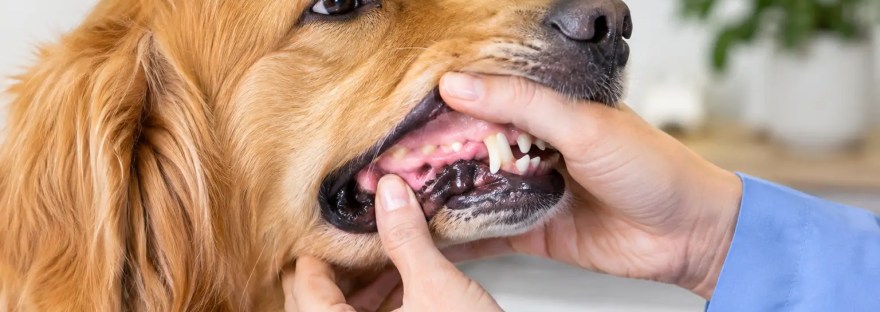
Start by having a calm look at your dog’s mouth when they are relaxed. Lift the lip gently rather than forcing the jaw open. Check for redness along the gumline, tartar, bleeding, broken teeth and any obvious change from what you normally see.
If the gums are mildly inflamed and there are no signs of pain or illness, arrange an experienced dental hygiene assessment. Ask what can realistically be achieved, how your dog will be handled, and whether the provider believes veterinary treatment is needed first. Clear advice matters more than a quick promise.
For dogs with advanced tartar, suspected disease below the gums, loose teeth or painful dental conditions, a veterinary dental examination is essential. Anaesthesia may be required for diagnostic X-rays, treatment below the gumline, extractions or procedures that cannot be safely or thoroughly performed while a dog is awake. There is no one-size-fits-all answer, and responsible care means recognising the difference.
For suitable dogs needing preventive maintenance of visible plaque and tartar, an anaesthesia-free clean can be a practical option. It avoids the pre-anaesthetic process and recovery period, and it can be particularly valuable for dogs who become distressed in a clinical setting. The right provider should work patiently, read the dog’s body language and never push a frightened dog beyond what is safe.
At Fresh Breath Doggie Dental, that hands-on approach comes from 26 years of experience working with dogs of different temperaments. Nervous, timid and strong-willed dogs need calm confidence, not a rushed appointment. A careful assessment and honest recommendation are always more valuable than forcing a service that is not right for the dog.
Keeping gums healthier after cleaning
A professional clean gives you a fresh starting point, but the day-to-day routine protects it. If your dog will tolerate it, gentle tooth brushing with a dog-safe toothpaste is the most direct way to remove soft plaque before it turns into tartar. Start slowly: a finger brush or soft brush, a few seconds at a time and plenty of praise can build trust.
Aim for consistency rather than perfection. Several short, calm sessions each week are more useful than an occasional battle in the laundry. Never use human toothpaste, as ingredients can be unsafe for dogs to swallow.
Chews and dental toys may help reduce surface plaque for some dogs, provided they are appropriately sized and used under supervision. Avoid very hard items that can crack teeth. If you cannot make a mark in the item with your thumbnail, it may be too hard for your dog’s teeth.
Regularly lifting your dog’s lip is one of the simplest habits a caring owner can build. It makes dental changes easier to notice, helps your dog accept mouth handling and means you can act before a small gum problem becomes a painful one.
Do not wait for your dog to stop eating
Many owners assume a dog with dental pain will refuse food. Often, they do not. Dogs adapt, chew around the sore spot and carry on because eating is instinctive. That does not mean their mouth is comfortable.
If you can see red gums, tartar or persistent bad breath, your dog is already asking for help in the only way they can. A calm assessment, the right level of dental care and ongoing maintenance can protect more than a fresh-smelling kiss. It can give your dog the comfort to eat, play and enjoy every ordinary day without a sore mouth getting in the way.
