A slightly smelly kiss, a yellow line near the gums, or a reluctance to chew a favourite treat can be easy to brush off. But dog plaque is not just a cosmetic problem or a cause of unpleasant breath. It is the sticky bacterial film that starts the chain of dental disease, and it can affect far more than your dog’s mouth.
Many dogs carry dental discomfort quietly. They still eat, play and wag their tail, even while sore gums or infected teeth are making every meal harder than it should be. Catching plaque early gives your dog the best chance of keeping a comfortable mouth and avoiding more serious problems later.
What Dog Plaque Really Is
Plaque is a soft, colourless to pale yellow film that forms on teeth after your dog eats. It contains bacteria, food particles and saliva proteins. It can begin building up within hours, especially along the gumline, behind the canine teeth and on the back molars where it is hardest to see.
When plaque is removed regularly, it is manageable. When it stays on the teeth, minerals in saliva harden it into tartar, also called calculus. Tartar is rough and porous, giving even more bacteria somewhere to cling. Once that happens, brushing alone is unlikely to remove it effectively.
The real concern is what happens at the gumline. Bacteria trigger inflammation, and the gums may become red, swollen or prone to bleeding. This early stage is gingivitis. Left untreated, inflammation can progress beneath the gums, damaging the tissues and bone that support the teeth. That is periodontal disease, and it is one of the most common health problems seen in adult dogs.
Why Plaque on Dogs’ Teeth Deserves Attention
Bad breath is often the first sign owners notice, but it should not be dismissed as simply “dog breath”. A healthy mouth should not have a strong, rotten or metallic odour. Persistent bad breath can signal a growing bacterial load, infected gums or decaying teeth.
As periodontal disease progresses, bacteria and inflammation may affect the body beyond the mouth. Veterinary research has linked poor oral health with risks to organs including the heart, kidneys and liver. Every dog is different, and not every dog with plaque will develop these complications, but there is no benefit in allowing chronic infection to remain untreated.
Dental pain also changes daily life. Your dog may chew on one side, drop food, avoid dry kibble, paw at their face or pull away when you touch the muzzle. Some dogs become quieter or more irritable. Others show almost no obvious signs because animals are remarkably good at hiding pain.
A dog does not need to be old to have plaque-related disease. Small breeds are often prone to fast tartar build-up because their teeth can be crowded, but large dogs, puppies transitioning into adult teeth and dogs of every age can develop dental problems. Diet, genetics, chewing habits and home care all play a part.
Signs Your Dog May Need Dental Care
Have a proper look at your dog’s mouth when they are calm and comfortable. You are not trying to diagnose every issue at home. You are looking for changes that warrant attention.
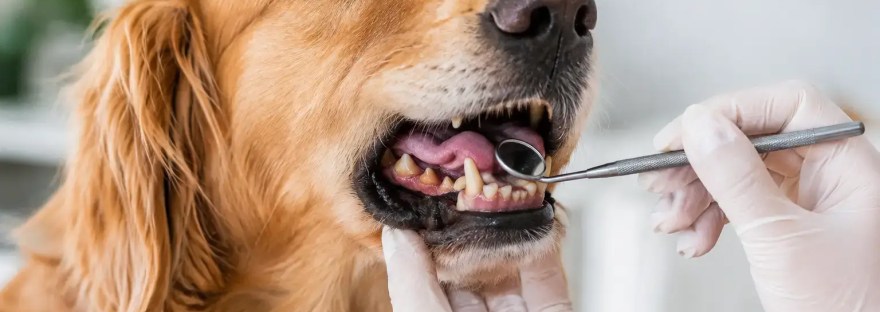
Common warning signs include yellow or brown deposits near the gums, red or puffy gums, persistent bad breath, bleeding, excessive drooling, loose teeth, changes in appetite and reluctance to chew. A dog that suddenly dislikes having its face handled may also be trying to tell you something.
If you see facial swelling, pus, severe bleeding, a broken tooth, refusal to eat, obvious pain or a growth in the mouth, contact your vet promptly. These signs can indicate a problem that needs veterinary diagnosis and treatment, not routine cleaning.
How to Stop Plaque Becoming Tartar
Prevention works best when it becomes part of normal life rather than a once-a-year panic. Daily tooth brushing is the gold standard for home plaque control. Use a dog-specific toothpaste only. Human toothpaste may contain ingredients that are unsuitable for dogs, and the foaming action makes it difficult for them to swallow comfortably.
Start slowly. Let your dog lick a small amount of pet toothpaste from your finger, then gently touch the outside of a few teeth with a soft brush or finger brush. Keep sessions short, calm and rewarding. There is no prize for forcing a frightened dog through a long brushing session. Consistency and trust matter more than doing everything perfectly on day one.
Dental diets, appropriately sized dental chews and safe chewing options can support a healthy routine, but they are not a replacement for brushing or professional care. Some chews are too hard and can fracture teeth, while others are swallowed quickly without cleaning much at all. Choose products carefully for your dog’s size, chewing style and medical needs.
Regular mouth checks are just as valuable as regular grooming. Lift the lip, look at the gumline and notice whether the breath has changed. Small changes are far easier to manage before tartar becomes thick and gum disease takes hold.
When Professional Plaque Removal Makes Sense
Once tartar has hardened onto the teeth, a professional clean can remove deposits that home care cannot. For suitable dogs with visible surface plaque and tartar, an experienced anaesthetic-free dental hygiene service can be a practical maintenance option. There is no general anaesthesia, no recovery period and far less disruption for many dogs and their families.
This matters particularly for senior dogs, nervous dogs and owners who are concerned about the cost, preparation and downtime associated with a conventional dental procedure. It does not mean every dog is suitable for every type of cleaning. A responsible provider should assess what can be safely and comfortably achieved, work patiently with the dog’s temperament and be honest when veterinary care is needed.
Anaesthetic-free cleaning is not a substitute for veterinary treatment of advanced periodontal disease, painful loose teeth, fractures, abscesses or problems below the gumline. Those conditions need a veterinarian because they may require X-rays, medication, extraction or treatment under general anaesthesia. The best approach is not about choosing sides. It is about giving your dog the level of care their mouth actually needs.
At Fresh Breath Doggie Dental, our work is centred on prevention, patient handling and helping owners recognise plaque before it becomes a larger health problem. With 26 years of hands-on animal experience, we understand that a nervous dog needs patience, not pressure. A positive experience makes ongoing dental maintenance far more achievable.
A Cleaner Mouth Needs Ongoing Care
One clean does not stop plaque from returning. Dogs eat every day, saliva continues to circulate and bacteria begin gathering again soon after a cleaning. The goal is to reduce the build-up, protect the gums and create a realistic routine that you can maintain.
For some dogs, daily brushing plus an annual professional maintenance clean may be enough. Others build tartar quickly and benefit from more frequent checks. Your dog’s breed, age, existing dental history and willingness to accept brushing all affect the right schedule.
The most loving thing you can do is act while the signs are still small. A cleaner mouth can mean fresher breath, more comfortable meals and fewer painful surprises for the dog who trusts you to notice what they cannot say.
